20 Oct 2026
MOT due soon? What we check before the test
A calm pre-MOT checklist from our Hampton workshop - so the big day is a formality, not a surprise.
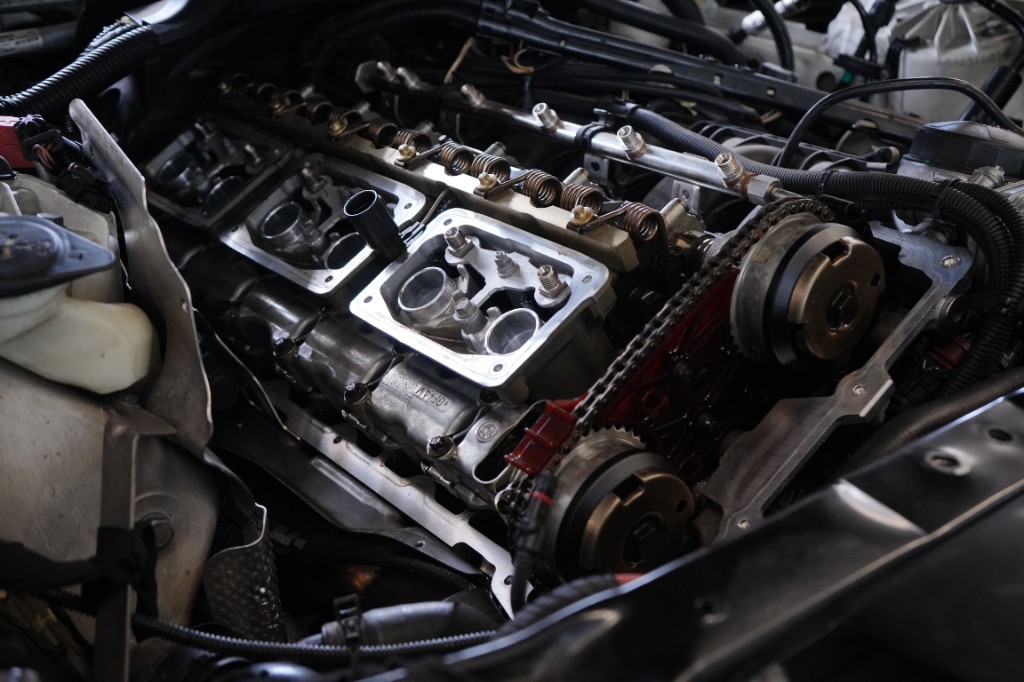
An MOT is not a service. It is a legal snapshot of whether your car or van is roadworthy on the day. Pass, fail or advisory - the difference often starts with small things you can spot in the yard before the rollers even spin.
At Auto Experience we prepare Class 4 and Class 7 vehicles every week. Below is what we actually look at first - the same checks that catch most avoidable fails for London drivers and local vans.
What we check before you book
Ten quiet minutes with a torch beats an afternoon of retests. This is our workshop walk-around.
Lights and indicators
Headlights, sidelights, brake lights, fog lamps, number-plate lamps and all indicators - bulbs, lenses and correct colour. A cracked lens or a lazy brake light is still a fail.
Tyres and wheels
Tread depth across the central 3/4 of the tyre, damage to sidewalls, uneven wear, and that the correct size is fitted. Under 1.6 mm is illegal; under 3 mm on a wet M25 is just uncomfortable.
Brakes and parking brake
Pedal feel, warning lights, fluid level and that the handbrake holds properly. We also listen for grinding that hints at pads or discs already on the edge.
Wipers, washers and screen
Clear view through the swept area, working washers, and wiper blades that actually clear water instead of smearing it. A chip in the driver’s view zone can stop a pass cold.
Plates, mirrors and seatbelts
Plates must be readable, fixed and legal. Mirrors secure. Every belt must lock cleanly - frayed webbing or a sticky buckle is an easy miss at home and an easy fail here.
Leaks, horns and warning lights
No heavy fluid drips under the car, horn working, and the dashboard free of serious red warnings (ABS, airbag, engine management). Advisories are useful; ignored red lights are not.
Fails we see too often
Most retests are not exotic. They are the same handful of items - especially on high-mileage cars and work vans.
Tyres worn on the inside edge
Tracking and worn bushes eat the inner shoulder while the outer tread still looks fine. Owners are shocked; the gauge is not.
Corroded brake pipes or seized handbrake cables
Salt, age and short trips. The car stops in a straight line until it doesn’t - and the MOT machine is less forgiving than a quiet road.
Number plate lamps and cracked lenses
Cheap to fix, expensive in time if you discover it on the day. Vans catch this constantly after loading bays and tight yards.
Emission and DPF issues
Short journeys leave filters loaded. A proper motorway run or a diagnosis before the test saves a fail slip and a second booking.
Suspension play and worn drop links
Clunks you have learned to live with become measurable play on the ramp. Worth fixing before the stamp, not after.
A 10-minute prep the night before
Top up washer fluid, clean the screen and plates, check every light with a helper, look under the car for fresh drips, and clear the boot of loose tools that could hide a plate lamp. Bring the V5C if you have it. If a warning light is on, tell us before we start - guessing costs everyone time.
Book early if the MOT is due within a month. You can drive with a valid ticket while we sort advisories, and you avoid the scramble of an expired certificate on a Monday morning.